A Man's Promise, Luffy and the Whale Vow to Meet Again
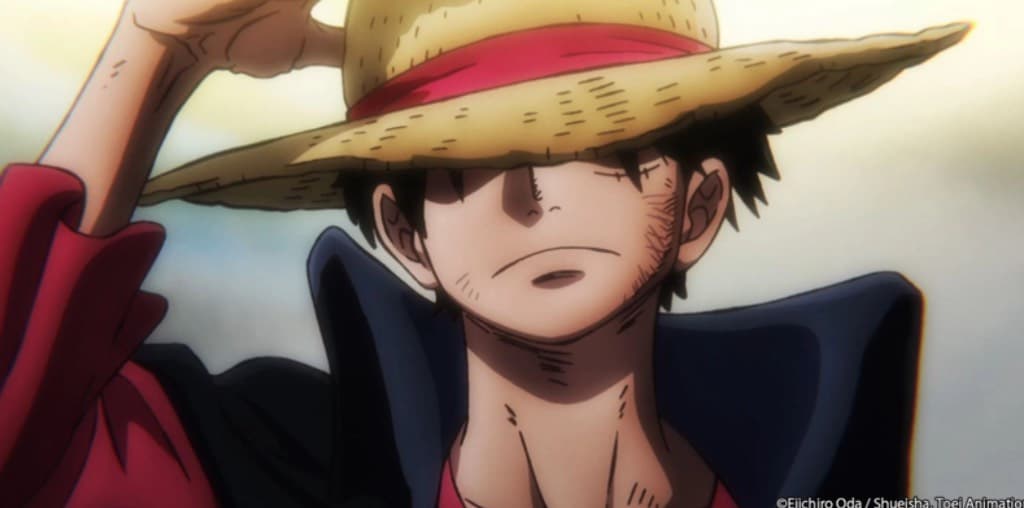
Summary
This episode represents the culmination of the Laboon arc, where the crew must navigate the moral complexity of Laboon's plight while confronting the greed of people who would exploit the whale for profit. The villagers from the nearby island, represented by Mr. Nine and Miss Wednesday, arrive with intentions to kill Laboon and harvest his meat to sustain their town for years—a motivation that is sympathetic yet morally questionable. Crocus positions himself as Laboon's protector, willing to sacrifice his own life to prevent the whale's death, creating a powerful demonstration of loyalty and conviction. The episode forces viewers to grapple with the reality that circumstances don't always present clear moral absolutes; the villagers need food for survival, yet harming Laboon would break a sacred promise. Luffy's solution demonstrates his characteristic problem-solving approach: he believes that achieving his dream of becoming Pirate King will bring him back to Laboon, making Crocus's role as guardian temporary rather than permanent. The episode concludes with Luffy's final promise marked on Laboon's forehead with the Straw Hat flag, transforming the whale from a tragic figure into a guardian of future reunion. Crocus settles into his role as lighthouse keeper and whale's companion, accepting that his purpose is to keep Laboon alive until the day Luffy returns. The narrative elegance here lies in how Oda establishes that Luffy's success on the Grand Line directly depends on Laboon's survival—if Laboon dies, Luffy can never keep his promise, making the whale's continued existence narratively essential to the entire series.
Key Moments
Mr. Nine and Miss Wednesday arrive at Reverse Mountain with plans to kill Laboon for meat to feed their village, presenting a morally complex antagonism; Crocus demonstrates unwavering commitment to Laboon by standing between the whale and the hunters, willing to die to protect his charge; The villagers' motivation—feeding their town for years—is sympathetic, creating genuine moral ambiguity rather than simple hero-versus-villain dynamics; Luffy's conviction that he will become Pirate King and return to Laboon serves as the emotional resolution; Luffy paints the Straw Hat Jolly Roger on Laboon's forehead as a permanent symbol of his promise; The whale's acceptance of the mark signifies that Laboon will wait with renewed hope rather than despair; Crocus accepts his role as Laboon's caretaker and the lighthouse keeper, understanding his new life's purpose; The promise made here creates a narrative thread that will span the entire series; Luffy's unwavering confidence that he will achieve his dream becomes the source of strength for everyone around him; The whale becomes symbolic of the stakes involved in achieving the dream of Pirate King; The episode establishes that Luffy's promises carry weight that transcends momentary adventure—they bind him to a future that must include moments of reunion
Personal Thoughts
Episode 63 is thematically rich precisely because it refuses to present easy moral answers. The episode could have made Mr. Nine and Miss Wednesday purely evil, but instead Oda grounds their motivation in genuine necessity—their village faces starvation. This complexity teaches viewers that the world of One Piece operates on shades of gray rather than black and white morality. What's remarkable is how Luffy, despite his reputation for impulsive decision-making, arrives at a solution that transcends immediate conflict: by promising to return as Pirate King, he essentially asks Laboon to believe in his dream as much as he believes in it himself. This transforms Laboon from a character requiring rescue into a character requiring faith. Crocus's role as guardian takes on new meaning—he's not just keeping the whale alive but nurturing its hope, much like how Luffy's companions nurture his dream. The visual of painting the Jolly Roger on Laboon's forehead is One Piece at its best: a symbolic gesture that carries narrative weight, emotional resonance, and foreshadowing simultaneously. By episode's end, viewers understand that Luffy has just created a deadline for himself: he cannot become Pirate King and retire peacefully somewhere. He must specifically sail the Grand Line, achieve his goal, and return to Reverse Mountain. The promise is binding not because of legal or magical consequences but because Luffy's character makes it so.
Impactful Lines
"If I become Pirate King, I'll come back for you! I swear it! – Luffy"
"This whale's got a human heart. It'll wait for you no matter how long it takes. – Crocus"
"This whale's got a human heart. It'll wait for you no matter how long it takes. – Crocus"