A Serious Fight! Luffy vs. Zoro: the Baffling Duel!
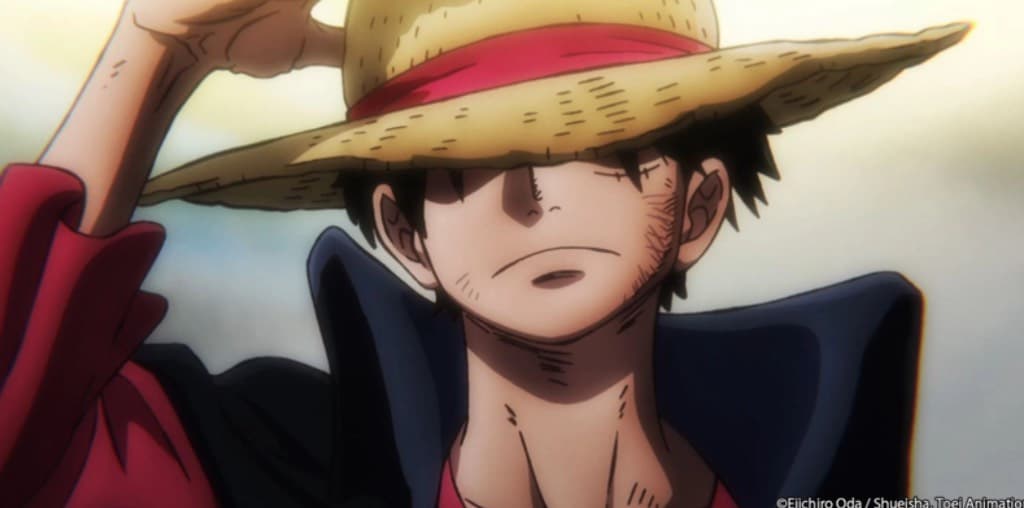
Summary
This episode presents one of One Piece's most paradoxical moments—the captain and his first mate engage in genuine combat based on a catastrophic misunderstanding. After awakening from the drugged sleep, Luffy learns that Zoro defeated all the bounty hunters, but the confused explanation makes it sound as though Zoro attacked innocent townspeople who had been nothing but hospitable. Luffy's judgment becomes clouded by rage and alcohol, leading him to challenge Zoro to combat despite the swordsman's attempts at explanation. The episode explores themes of trust, miscommunication, and the danger of making assumptions based on incomplete information. What makes this episode narratively brilliant is that both Luffy and Zoro believe they're correct; Luffy thinks he's defending innocent people from a traitor, while Zoro believes he's protecting the crew from assassins. The physical combat between them is executed with surprising sincerity, neither fighter holding back despite the absurdity of the situation. The episode uses comedy and combat simultaneously, creating tonal complexity where what should be a lighthearted misunderstanding carries genuine physical and emotional weight. Nami's ultimate resolution of the conflict through sheer force becomes the earned comedic payoff to an increasingly ridiculous situation. The episode concludes with the revelation that Mr. Nine and Miss Wednesday are members of Baroque Works, making Zoro's actions vindicated while simultaneously establishing the crew's vulnerability to infiltration by enemies disguised as allies. The episode works because it demonstrates that the crew's greatest internal threat isn't incompetence but miscommunication born from incomplete information.
Key Moments
Luffy awakens from his forced sleep and learns that Zoro has apparently killed all the townspeople, though he doesn't understand the full context; Luffy's alcohol-fueled rage at the apparent betrayal causes him to challenge Zoro immediately without full explanation; Zoro initially refuses to fight, attempting to explain that the townspeople were assassins, but Luffy refuses to listen; Luffy's conviction that Zoro murdered innocent people, combined with his belief in personal loyalty, makes him prioritize fighting Zoro over fleeing danger; Zoro, realizing that Luffy is genuinely angry, chooses to fight seriously rather than flee or disable; The combat between captain and first mate escalates in intensity and seriousness despite both believing they're right; The episode explores the vulnerability created by infiltration of crew members with false identities; Nami's interruption through violence becomes the moment that pauses the escalating conflict long enough for communication; The revelation of Mr. Nine and Miss Wednesday's true identities vindicates Zoro's actions while simultaneously highlighting how effective Baroque Works' infiltration strategy is; The episode ends with Luffy realizing his error but also understanding that the price of misunderstanding in the Grand Line can be crew cohesion
Personal Thoughts
Episode 66 is paradoxical—it's structured as comedy but carries genuine emotional stakes. What makes this misunderstanding work narratively is that it's not based on character stupidity but on the limitations of information and the emotional weight of the preceding events. Luffy is exhausted, confused, and waking to a situation where he's told Zoro killed innocent people. In that moment, his emotional response—rage at betrayal—is understandable even if incorrect. Zoro's response—choosing to fight rather than flee—demonstrates his unwavering commitment to Luffy, even when Luffy is wrong. This mutual commitment despite conflict creates a bond deeper than simple agreement. The episode also serves as thematic commentary: in the world of the Grand Line, appearances are deceptive, and even loyalty can be weaponized by those willing to infiltrate through false identity. The crew must learn that trust needs to be balanced with verification, that assuming the best of people (like Luffy does) can be as dangerous as assuming the worst (like Nami does initially). By episode's end, the crew has learned a crucial lesson: the Grand Line's greatest danger isn't external monsters but internal vulnerability created through deception. The Whiskey Peak arc demonstrates that the crew cannot simply accept people at face value; they must develop mechanisms to verify trust in a world where enemies disguise themselves as friends.
Impactful Lines
"You killed innocent people! I can't forgive that! Even if it costs me my life! – Luffy"
"If that's what you believe, then I'll fight you to the end! – Zoro"
"If that's what you believe, then I'll fight you to the end! – Zoro"